
4 Powerful Benefits of Mouth Taping to Improve Oral & Overall Health

February 19, 2025

At Austin Elite Smiles, your trusted dental office in Avery Ranch, we understand that oral health is not just about brushing and flossing—it's also about how you breathe. 


One emerging wellness practice that’s gaining attention for its many benefits is mouth taping. This simple technique promotes nasal breathing during sleep and can have a profound impact on your oral health and overall well-being.


If you're looking to take your oral health to the next level, mouth taping may be the key to unlocking better sleep, healthier teeth, and improved physical wellness. Let’s explore how this practice works and why it might be right for you.

Why Mouth Breathing During Sleep is Harmful to Your Oral Health

Mouth breathing at night is a common habit that many people unknowingly develop. Unfortunately, breathing through your mouth while sleeping can lead to a number of dental and health issues. When you breathe through your mouth, your gums can dry out, and your saliva production decreases.


Saliva plays a critical role in protecting your teeth by washing away food particles and neutralizing harmful acids in your mouth. Without adequate saliva, your risk of cavities, gum disease, and gingivitis (gum inflammation) increases significantly. Additionally, the dry mouth caused by mouth breathing can contribute to bad breath and bacteria buildup on your teeth.

The Powerful Benefits of Nasal Breathing

Switching from mouth breathing to nasal breathing offers numerous health benefits, particularly for your oral health. Here’s how nasal breathing improves your overall well-being:


  1. Boosts Nitric Oxide Production
    Nasal breathing increases nitric oxide production, a molecule essential for improving oxygen circulation in your body. Nitric oxide has been shown to reduce inflammation, support immune function, and improve overall health.

  2. Enhances Sleep Quality
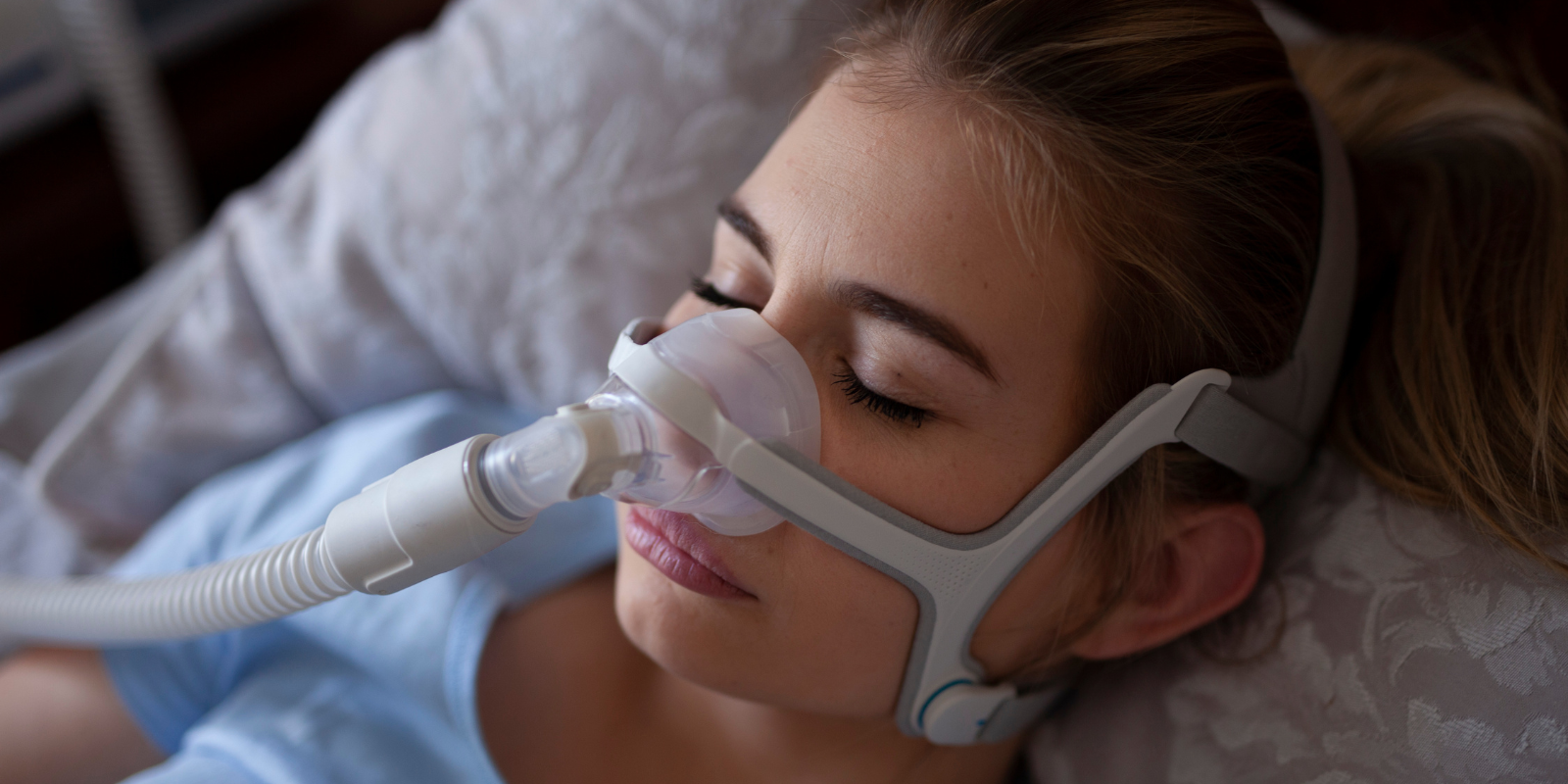
    Mouth taping can help reduce snoring caused by mouth breathing. When your mouth is sealed, airflow is directed through your nose, leading to quieter, deeper, and more restorative sleep. Better sleep quality means improved energy levels and focus during the day.

  3. Improves Oral Health
    By preventing mouth breathing, nasal breathing reduces dry mouth, which helps prevent plaque buildup, cavities, and gum disease. Your teeth will be better protected from harmful bacteria and decay, leading to a healthier smile.

  4. Supports Overall Oxygenation
    Breathing through your nose allows for more efficient oxygen exchange in your lungs, helping your body receive the optimal amount of oxygen. Unlike mouth breathing, nasal breathing helps
    efficiently regulate CO2 levels. This plays a role in respiratory function. Fast or shallow breathing causes CO2 levels to drop and potentially lead to nasal congestion and inefficient oxygen delivery. 


Our Recommended Mouth Tape: VIO2 Mouth Tape for Comfort and Safety

At Austin Elite Smiles, we recommend using VIO2 Mouth Tape for mouth taping. This specially designed, skin-safe tape ensures comfort and effectiveness by gently keeping your lips sealed without irritation. 


For those new to mouth taping, VIO2 Mouth Tape is easy to use, hypoallergenic and can be used for sensitive skin. Recommended by dentists and nurses, it’s an excellent choice to improve your sleep and health in the long-term.


"After reading the book Breath by James Nestor and learning about the benefits of nose breathing, I have personally been mouth taping for a year now and wake up feeling more rested and my mouth less dry." — Dr. Kasey Lowrance, Co-Founder of Austin Elite Smiles


Important Disclaimer: Is Mouth Taping Right for You?

While mouth taping can be highly beneficial for many people, it is important to note that it may not be suitable for everyone. You should only consider mouth taping if you can breathe easily through your nose. 


If you suffer from nasal congestion, deviated septum, or sleep apnea, we recommend consulting a healthcare professional before starting this practice.


It’s important to understand that mouth taping is not a treatment for sleep apnea. If you have sleep apnea, we strongly encourage you to speak with a specialist for personalized advice and treatment options.

Improve Your Oral and Overall Health with Mouth Taping at Austin Elite Smiles

At Austin Elite Smiles, we are passionate about helping our patients achieve optimal oral health. Mouth taping is just one of the many ways we support your wellness journey. 


If you're interested in incorporating mouth taping into your nightly routine, ask us about it at your next visit. We're here to guide you toward healthier habits that benefit both your oral health and overall wellness.


Ready to take the next step in improving your health?

Schedule an appointment with Austin Elite Smiles today and learn more about how mouth taping can benefit you.


Person using a clear dental aligner on their teeth, held by fingers close-up
By No Author • September 23, 2026
The link between sleep apnea and oral health is real. Learn the mouth signs Austin patients should watch for and how a dentist can help you rest easier.
Person sleeping peacefully in a white bed, hugging a pillow, with soft blue curtains in the background
By no author • September 9, 2026
Curious about mouth taping pros and cons? An Austin Elite Smiles dentist gives an honest take on what works, what does not, and when to seek real treatment.
Person lying in bed, holding a pillow over their head and looking stressed or tired
By No Author • September 4, 2026
Home remedies not working? See the snoring treatment Austin patients trust at Austin Elite Smiles. A sleep dentist can help. Schedule your consultation today.
Woman sleeping with a CPAP mask on in bed
By No Author • August 19, 2026
Did you know your dentist can treat sleep apnea? Explore sleep apnea treatment Austin patients trust at Austin Elite Smiles. Book a consultation today.
Woman holding her cheek with a pained expression, suggesting a toothache or facial pain.
August 12, 2026
Non-surgical TMJ treatment uses custom oral appliances, splint therapy, bite adjustments, and targeted exercises to relieve jaw pain and dysfunction without any surgical procedure. This guide is for Austin-area patients dealing with jaw aching, clicking, or unexplained headaches who want to understand their options before committing to a treatment path. You will learn what drives TMJ disorder, which symptoms are worth acting on, and exactly what your first visit at our Avery Ranch practice looks like. What Is TMJ Disorder and Who Does It Affect? TMJ disorder, more accurately called TMD, is a group of conditions that cause pain and restricted movement in the jaw joint and the muscles that move it. One joint sits on each side of your face, just in front of your ears, working every time you talk, eat, or laugh. The National Institute of Dental and Craniofacial Research groups more than 30 conditions under the umbrella of temporomandibular disorders. That breadth explains why two people who both say "jaw pain" often need very different care. TMD tends to appear in people who clench under stress, grind at night, or have taken a hit to the jaw. If any of that sounds like you, the symptoms below will apply. Common Symptoms That Signal a TMJ Problem The joint rarely fails all at once. It sends small signals first, and catching TMJ disorder symptoms early usually means a shorter, simpler course of care. Signs worth acting on: A dull, tired ache in the jaw that peaks by late afternoon Clicking, popping, or a gritty grind when you open wide Headaches that start at the temples with no clear cause A mouth that will not open fully, or a jaw that catches Sore muscles around the cheeks, ears, or neck Every day, jaw soreness overlaps with these, which is why people brush them off. When clicking arrives with pain, or your mouth stops opening fully, see a jaw-clicking dentist before you wait it out. Why Austin Patients Choose Non-Surgical TMJ Treatment Conservative care often addresses most jaw joint problems, which is welcome news if the idea of an operation keeps you from seeking help. The National Library of Medicine notes that many temporomandibular disorders even ease on their own, so we rarely rush toward anything permanent. Non-surgical options carry lower risk, require little recovery time, and flex as your symptoms change. The TMJ pain relief Austin patients usually start with includes a custom oral appliance, targeted jaw exercises, coaching on clenching habits, and short-term help for inflammation. TMJ splint therapy, for example, involves a precise device that lifts pressure off the joint and shields your teeth from grinding while the muscles calm. Starting here gives the joint a real chance to settle before anyone considers a permanent step. For most patients, that is where it ends: pain gone, no surgery in sight. Our Approach to TMJ Relief at Austin Elite Smiles Your jaw pain has a specific cause, and we start by identifying it before recommending any treatment. A Diagnosis Built on Your Bite We check how your teeth meet, how your muscles fire, and which daily habits put extra load on the joint. Our 3D digital wellness scan maps your bite and jaw in detail, so the plan we build answers what your joint actually needs, whether that is a custom splint or a bite adjustment. Care That Addresses Grinding and Sleep Grinding and TMJ feed each other, so we treat them together. Clinical reviews of temporomandibular disorders, bruxism, and headaches describe how closely these problems interconnect, and effective teeth-grinding treatment often shortens jaw recovery time. When broken sleep or nighttime clenching drives your pain, our work in sleep apnea and snoring treatment addresses the root, and the same general dentistry care that keeps your mouth healthy supports the jaw around it. Whether your jaw pain started last week or has been something you have quietly managed for years, you leave your first visit with a clear explanation of what is happening and a plan you actually understand. There is no pressure to commit on the spot, and we move at a pace that works for you. What to Expect at Your First TMJ Consultation A new dental visit while your jaw hurts can feel like one more worry. Here is exactly how the appointment goes. We listen first. You tell us what you feel, when it started, and what helps or worsens it. Then we examine the joint and muscles, watch your bite closely, and scan to see whether imaging clarifies the cause. Right here, we determine the appropriate jaw pain treatment, as the plan depends on a precise diagnosis. You leave that first visit knowing what is happening in your jaw and what your choices are. No pressure and no rush, just a plan you can follow. Book Your TMJ Consultation at Austin Elite Smiles Jaw pain that persists beyond a few weeks rarely resolves without some form of guidance, and it rarely warrants the drastic step people fear. Non-surgical TMJ treatment Austin patients trust often settles it, and it always starts with one conversation. If clicking, aching, or headaches keep shaping your days, take the simplest step first. Schedule a consultation and let our team help you find relief that fits your life, whether you are in Austin, Avery Ranch, or Cedar Park. Frequently Asked Questions 1. What is non-surgical TMJ treatment? Non-surgical TMJ treatment covers the conservative therapies we use to ease jaw pain and dysfunction without surgery. We usually start with a custom oral appliance, splint therapy, a bite adjustment, targeted exercises, or habit coaching. For many of our patients, that has helped relieve symptoms significantly or completely. 2. Can a dentist treat TMJ without surgery? Yes. Our team diagnoses what is driving your jaw pain and manages it with conservative, non-surgical care in the vast majority of cases. Most patients find real relief through a custom oral appliance, splint therapy, neurotoxins or bite adjustment without ever needing anything more involved. In the rare situation where conservative care alone is not resolving symptoms, we will discuss your options clearly and guide you toward the appropriate next step so you are never left without a path forward. 3. How long does TMJ treatment take? It depends on the cause and the severity. Some of our patients feel real relief within a few weeks of starting splint therapy or changing daytime habits, while others need a few months of small adjustments. We review your progress at each visit and adapt as your jaw settles. 4. What causes TMJ pain? In our patients, the usual drivers are nighttime grinding, daytime clenching under stress, an uneven bite, or an old jaw injury. Several often overlap, so we evaluate the whole picture rather than chase one symptom. 5. How do I know if I have TMJ disorder? Watch for a jaw ache that lingers, clicking or popping that comes with pain, a mouth that will not open fully, or headaches at the temples with no clear cause. If any of these last more than a couple of weeks, come in, and we will check whether the joint is involved.  Key Takeaways Start conservatively: most jaw joint problems respond to non-surgical care before surgery is considered. Early signals: clicking paired with pain, or a mouth that will not open fully, are your cue to get evaluated. Ask about a splint: a custom-fitted appliance lifts joint pressure and protects your teeth from nighttime grinding. Treat the grinding too: calming nighttime clenching often speeds jaw recovery. Insist on a real diagnosis: the right plan depends on what is driving your pain, not just the symptom's name.
Person grinding their teeth while sleeping in a white bed beside a ringing alarm clock
By No Author • August 3, 2026
Teeth grinding and TMJ in North Austin often go together. Nighttime grinding quietly strains the jaw, and our team explains what to look for and do next.
Woman grimacing from TMJ and holding her cheeks, suggesting toothache or facial pain.
By No Author • July 27, 2026
Jaw pain, clicking, or headaches could be signs of TMJ that Austin patients often overlook. Our Austin dental team explains 5 symptoms and how we help.
Woman receiving a facial massage from a therapist in a spa setting
By No Author • July 24, 2026
Struggling with jaw pain? Our Austin dental team offers TMJ treatment near Round Rock that addresses the root cause and provides lasting relief.
Woman smiling beside a dental implant model, showing gums and teeth on a pink base
By No Author • July 21, 2026
Wondering what dental implant recovery in Austin looks like? Our periodontist shares a week-by-week timeline and practical tips to heal well.
Woman holding her face with eyes closed, lying in bed and looking in pain or discomfort
By No Author • July 18, 2026
TMJ vs jaw pain Austin patients ask about a lot. Our dentist explains how to tell TMJ from muscle strain, sinus pressure, and tooth grinding.